A single blockbuster shot can pass through dozens of hands before it reaches the screen, and the VFX artist is often the one who makes the impossible look effortless. A VFX artist creates digital imagery that enhances or transforms scenes in film, television and games, working closely with designers, animators and production teams to meet a project’s creative and technical goals [2]. This guide explains what a VFX artist does, the skills and software the role demands, the typical career path and salary, and how these specialists fit into modern production and live event pipelines.
What is a VFX artist?
A VFX artist, short for visual effects artist, designs and produces digital effects that would be difficult or impossible to capture on camera. These include explosions, weather effects, digital characters and entire environments built with specialised software [2]. The role sits at the intersection of art and technology: it requires a strong visual eye alongside a solid grasp of how images are constructed frame by frame.
VFX is rarely the work of one person. It is a collaborative discipline that spans several specialisations, from modelling and simulation to lighting and compositing. Understanding where each role fits within the broader post-production workflow is essential, because a VFX artist almost always depends on the output of colleagues upstream and feeds work to those downstream.
Core responsibilities of a VFX artist
The day-to-day responsibilities of a VFX artist vary by specialisation, but several tasks recur across the discipline. Common duties include creating 3D models, compositing visual layers and simulating natural elements such as water or fire [3]. The shared goal is to generate digital effects that blend seamlessly with live footage.
Compositing: the final integration
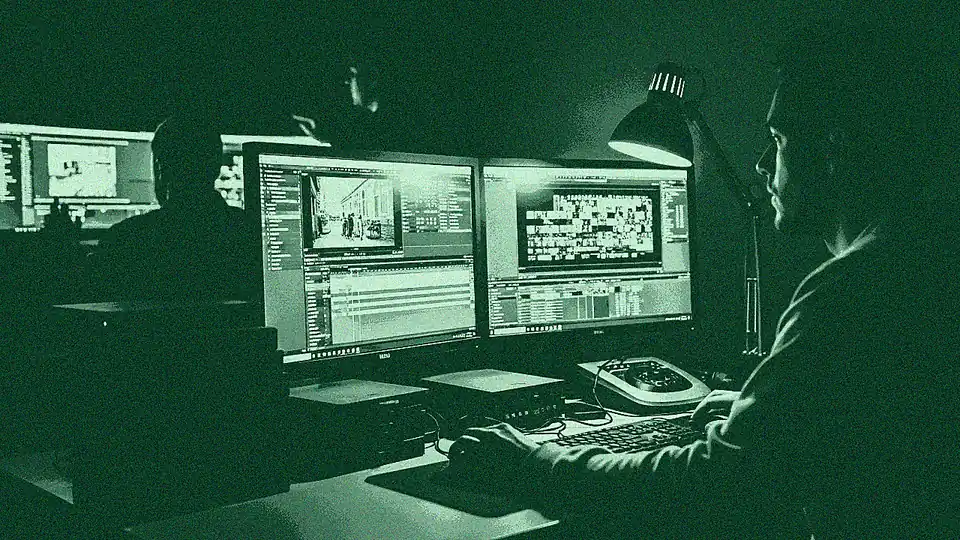
Compositing is one of the most pivotal specialisations. A compositor assembles and integrates all the separate digital elements of a shot into a single, seamless final image, and sits at the end of the VFX pipeline [1]. Compositors also handle tasks such as de-aging an actor, and adding 2D effects like dust particles, lens flare and motion blur. Because compositing is where everything comes together, it is frequently the entry point into the wider field.
Collaboration and deadlines
Beyond technical output, a VFX artist must understand the filmmaking process and work collaboratively with the rest of the production team, often under tight deadlines and shifting project scope [3]. Clear coordination with editorial, art and camera departments keeps a shot consistent with the director’s intent.
Essential skills and software
VFX is a software-intensive craft. Industry-standard tools include Autodesk Maya, Blender, Houdini, Unreal Engine and Unity for 3D and simulation work [2]. For compositing, Nuke is widely regarded as the industry standard, alongside Adobe After Effects for lighter work [4].
Technical proficiency alone is not enough. A successful VFX artist combines artistic fundamentals, such as composition, lighting and colour, with problem-solving under production constraints. Many roles also reward a hybrid profile: FX technical directors, for instance, are in high demand precisely because the skill set is rare, blending artist and engineer in equal measure [4].
| Specialisation | Primary focus | Common software | Pipeline position |
|---|---|---|---|
| Modelling | Building 3D assets and environments | Maya, Blender, ZBrush | Early |
| FX / simulation | Fire, water, smoke, destruction | Houdini | Mid |
| Lighting | Rendering and look development | Maya, Unreal Engine | Mid to late |
| Compositing | Integrating all layers into the final shot | Nuke, After Effects | Final |
Career path and salary
The route into VFX is largely portfolio-driven. Many artists begin with a degree in visual effects, animation, computer graphics or a related field, yet a degree is not required, because a demo reel, software proficiency and practical experience carry more weight than academic credentials [5]. It typically takes three to five years to build the skills, training and portfolio needed to work professionally [6].
Compensation scales with experience and specialisation. Entry-level artists typically earn between 25,000 and 40,000 US dollars per year, mid-level professionals with three to five years of experience earn between 45,000 and 75,000 US dollars, and senior artists and supervisors can exceed 80,000 to 120,000 US dollars [4]. Compositing artists specifically see wages start around 77,000 US dollars and peak near 138,000 US dollars [1]. Demand remains strong across gaming, streaming, television and film, which supports steady career progression for those who keep their skills current.
VFX artists in film, TV and live events
The VFX artist sits inside a much larger production machine, and their work only succeeds when the surrounding logistics hold together. In film and television, a single production may coordinate editors, colourists, sound editors, VFX coordinators and external facilities, all working to interlocking deadlines.
Film and television production
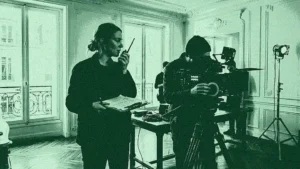
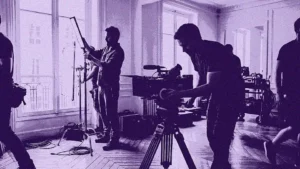
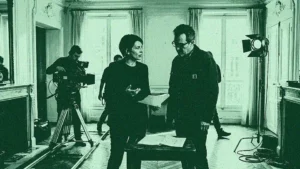
On scripted productions, VFX work is rarely isolated to post. Decisions made on set, from camera tracking markers to plate photography, directly affect what a VFX artist can achieve later. The rise of virtual production using LED volumes has pulled visual effects further upstream, with real-time rendered environments replacing green screens during the shoot itself. This shift demands tighter coordination between the VFX team and the rest of the crew. Production managers increasingly rely on dedicated crew scheduling software to keep specialist roles aligned, and the broader responsibilities of a production manager in film and TV increasingly include orchestrating these hybrid on-set and post-production teams.
Live events and broadcast
Live events and broadcast push VFX into real time. Augmented graphics, virtual sets and on-air effects for concerts, sports and corporate shows require artists who can deliver under unforgiving live conditions. Coordination becomes even more critical here, because there is no second take. Centralising the scheduling and contracting of these specialists removes the friction of spreadsheets and informal messaging, which is precisely where a structured platform proves its value.
Ooviiz centralises the planning and coordination of teams for productions and events, replacing spreadsheets and informal exchanges with a dedicated platform. Discover Ooviiz
Conclusion
A VFX artist turns ideas that cannot be filmed into images that feel real, combining artistic judgement with deep technical skill across modelling, simulation, lighting and compositing. The path into the field rewards a strong portfolio over formal credentials, and demand across film, television, streaming and live events keeps the career resilient. As virtual production blurs the line between set and post, the VFX artist is moving closer to the heart of the production process, which makes coordination between departments more important than ever. For studios and event producers, supporting these specialists with the right scheduling and workflow tools is increasingly part of delivering great visual effects on time.
FAQ
What does a VFX artist do?
What skills does a VFX artist need?
How do you become a VFX artist?
How much does a VFX artist earn?
What is compositing in VFX?
Going further with TheGreenshot
Great visual effects depend on more than talented VFX artists. They depend on getting the right specialists, from modellers to compositors, onto a project at the right time and keeping them aligned through shifting deadlines. Ooviiz, the crew planning platform from TheGreenshot, centralises the talent database, manages availability, sends mission offers and generates electronic contracts from a single interface. Built for film, television and live events, it replaces scattered spreadsheets and informal messaging with real-time scheduling and a dedicated communication app. Production teams can import existing contacts, apply HR rules and export data straight to payroll, removing administrative friction so creative teams can focus on the work. A short demonstration shows how the platform adapts to the coordination challenges of any production or event.
Our carbon experts help production studios frame strategy, train teams and track results, tailored to operational constraints.