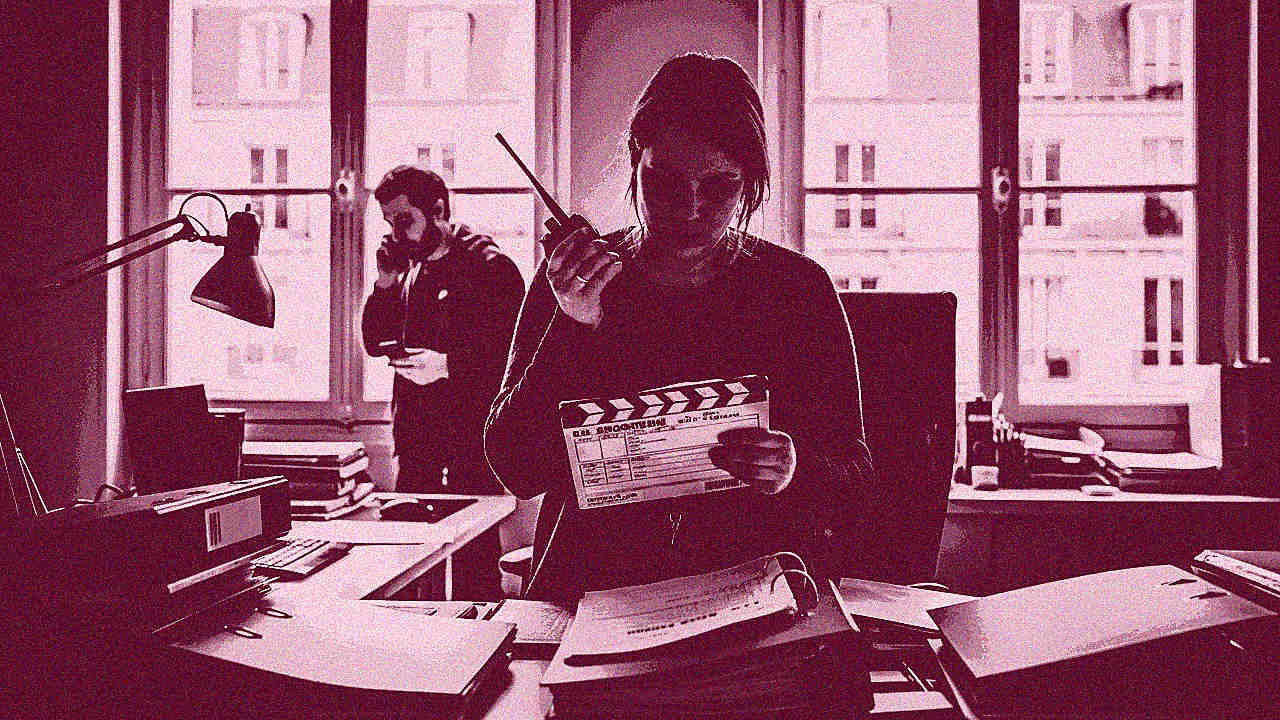
Managing crew across a film or TV production is one of the most operationally demanding tasks in the industry. Studies show that 85% of productions face scheduling hurdles [1], and poor scheduling affects budgets and delays timelines for 93% of independent filmmakers. With dozens of departments, shifting availability, and constant last-minute changes, productions relying on spreadsheets face recurring bottlenecks. Crew scheduling software addresses this directly, bringing structure, real-time visibility, and automated coordination to productions of all scales. This article explores how these tools work, what features matter most, and which solutions are best suited to film, TV, and live event contexts.
What is crew scheduling software?
Crew scheduling software is a digital platform designed to help production managers, assistant directors, and coordinators plan, assign, and communicate crew deployments across a project’s shooting days or event dates. Unlike generic project management tools, purpose-built crew scheduling solutions are built around the specific rhythms of film and TV: shooting schedules, call sheets, availability windows, union rules, and rapid day-to-day changes.
At its core, crew scheduling software replaces the manual back-and-forth of phone calls, emails, and spreadsheets with a centralised system where department heads can see who is available, who is booked, and what constraints apply. The best platforms integrate scheduling directly with production management workflows, connecting crew availability to call sheets, contracts, and budget lines in a single interface.
The value is practical: when an actor’s availability shifts or a location becomes unavailable, a connected crew scheduling system allows the AD team to visualise the knock-on effects across all departments instantly, rather than discovering conflicts day by day [2].
Key features to look for in crew scheduling software
Not all crew scheduling platforms are built equally. The features that matter most depend on production scale and the specific operational challenges a team faces. However, several capabilities consistently separate effective tools from basic alternatives.
Real-time availability management
The ability to check crew availability in real time, across multiple projects if needed, is fundamental. The best platforms allow technicians and artists to update their own availability, reducing the coordination load on production offices. This is particularly valuable for productions with large rosters or frequent day-player hires.
Automated call sheet generation
Manually building call sheets is time-consuming and error-prone. Integrated scheduling tools generate call sheets automatically from the shooting schedule, pulling in crew assignments, location details, and pickup times without requiring manual data entry for each production day [3].
Department-level organisation
A production typically runs 10 to 20 departments simultaneously. Effective crew scheduling software allows production managers to view and manage scheduling at the department level, assign heads of department, and track crew allocation without losing visibility across the whole production.
Conflict detection
Automated conflict detection flags double-bookings, turnaround violations, or availability clashes before they cause on-set problems. This feature alone can prevent costly delays [4].
Mobile access and crew communication
Crew members rarely work from a desk. Mobile-accessible platforms allow technicians to receive call times, confirm availability, and communicate with the production office from location. This reduces last-minute confusion and improves on-set responsiveness.
Integration with contracts and payroll
The most advanced platforms connect scheduling data directly to contract generation and payroll processing. When a crew member is booked via the scheduling module, a contract can be automatically drafted and sent for electronic signature, and hours logged during the shoot flow directly into payroll calculation. TheGreenShot’s integrated production services connect crew scheduling, contract management, and payroll in a single workflow designed for film and events.
Top crew scheduling tools for film and TV productions
The market offers a wide range of crew scheduling solutions, from standalone scheduling apps to comprehensive production management suites. Here is an overview of the most widely used platforms in the industry [5].
StudioBinder
StudioBinder is a cloud-based production management platform covering shot lists, storyboards, call sheets, and crew scheduling. Its scheduling module is built around a visual stripboard interface that ADs can use to drag and drop scenes and generate call sheets. It is particularly well-suited to independent film and commercial production, with pricing accessible for small teams.
Movie Magic Scheduling
Movie Magic Scheduling has been a standard in the industry for decades. It builds detailed shooting schedules from script breakdowns, integrates cast and crew calendar data, and exports directly to digital call sheet formats. Its stripboard interface is familiar to most experienced first ADs and it remains particularly strong for feature films and large TV productions with complex multi-location schedules.
Dramatify
Dramatify takes an integrated approach, covering casting, crew scheduling, call sheets, and production reporting in one platform. It automatically generates stylists’ schedules, daily production plans, and crew call sheets from the master schedule [6]. It is popular in Scandinavian and European television productions.
Yamdu
Yamdu consolidates all events, off-periods, and availability data across a production into a single shared calendar. Its strength lies in centralising communication between departments, reducing fragmentation when different teams use different tools.
Ooviiz by TheGreenShot
Ooviiz is the crew planning and scheduling platform developed by TheGreenShot specifically for film, TV, and live event productions. It centralises the talent database, manages availability checks, sends mission offers, and deploys communication tools from a single interface. Production teams can import existing contact databases, apply HR rules, and generate electronic contracts directly from the scheduling module. Unlike tools built for general workforce management, Ooviiz is purpose-built for the operational rhythms of audiovisual and events productions. Further details on features are available in TheGreenShot’s crew management software guide.
How to choose the right crew scheduling software
Choosing between platforms requires matching software capabilities to the specific constraints and scale of a production. Several factors help narrow the decision.
Production type and scale
A short film with a 15-person crew has very different needs from a prime-time TV drama with 200 crew members across multiple units. Smaller productions may find that a lightweight tool covers their needs, while larger productions benefit from platforms that handle multi-unit scheduling, department-level permissions, and integration with payroll systems [7].
Integration requirements
Productions that already use specific budgeting, payroll, or communication tools should prioritise platforms with native integrations. The ability to push scheduling data into payroll calculations or pull budget data into crew assignments significantly reduces double-entry and administrative error. TheGreenShot’s integration ecosystem covers the most common production management tools used in European film and events.
User adoption and learning curve
The best platform is the one the entire crew actually uses. Tools with steep learning curves or poor mobile experiences often result in crews reverting to informal communication channels, undermining the benefit of centralised scheduling. Solutions with intuitive interfaces and mobile apps see higher adoption across departments.
Labour compliance requirements
Productions working under collective agreements or union rules need scheduling software that can enforce turnaround requirements, maximum daily hours, and rest period rules automatically. This is especially important for productions in France, Belgium, and other European markets with specific intermittent du spectacle regulations. Reviewing key production management software features helps identify which platforms address these compliance needs.
Crew scheduling in film, TV, and live events: specific challenges
While the principles of crew scheduling are consistent across sectors, the operational context of film, TV, and live events introduces specific constraints that general workforce management tools rarely address well.
Film and TV productions
On a film or TV set, scheduling is inherently dynamic. The AD team juggles cast availability, location permits, weather contingencies, and equipment logistics simultaneously. A last-minute location change can require rescheduling 30 or more crew members across three departments within hours. On larger TV productions, second unit scheduling runs in parallel with first unit shooting, meaning the production office must track two or more simultaneous crew pools without overlap or conflict.
Productions working with intermittent workers under French or Belgian labour frameworks face additional complexity: each booking must comply with minimum engagement rules, and payroll calculations vary by collective agreement. Purpose-built tools handle this through multi-unit calendar views and department-level permission structures, ensuring that second unit coordinators cannot inadvertently double-book crew already engaged by the main unit.
The Ooviiz platform was built to address exactly these constraints, with real-time availability management, e-signature contract workflows, and crew communication tools that work from a single centralised dashboard, reducing the time production coordinators spend on manual follow-up.
Live events and touring productions
Live event productions face a different scheduling challenge: the crew pool is often larger, the timeline shorter, and the geographic spread greater. A touring concert or festival engages dozens of technical specialists across lighting, sound, rigging, and stage management, many of whom work across multiple events in the same period. Availability conflicts are frequent, and the cost of a last-minute no-show in a live production is immediate and visible.
Event productions increasingly rely on centralised talent databases that allow production managers to filter available technicians by skill, location, and prior engagement history. This reduces the time spent sourcing crew from scratch for each event and builds a reliable pool of proven collaborators. Scheduling tools that connect directly to mission offers, confirmations, and contract generation compress the booking cycle from days to hours.
Ooviiz centralises the planning and coordination of teams for productions and events, replacing spreadsheets and informal exchanges with a dedicated platform. Discover Ooviiz
Conclusion
Crew scheduling software has become a critical operational tool for film, TV, and live event productions. As productions grow in complexity and crew pools become larger and more distributed, the limitations of manual scheduling methods become increasingly costly. The right crew scheduling software reduces conflicts, automates call sheet generation, enforces labour compliance, and connects crew bookings directly to contracts and payroll. Choosing the right platform requires matching capabilities to production type, scale, and integration requirements. As real-time collaboration and mobile-first workflows become standard across the industry, the gap between productions using purpose-built scheduling tools and those relying on spreadsheets will only widen.
FAQ
What is crew scheduling software used for in film production?
What are the most important features in crew scheduling software for TV productions?
How does crew scheduling software handle last-minute changes on set?
Can crew scheduling software integrate with payroll systems?
What is the difference between crew scheduling software and general project management tools?
Go further with TheGreenShot
Coordinating crew across a film or TV production involves far more than filling a spreadsheet with names and dates. The operational complexity of managing availability, sending mission offers, generating contracts, and tracking real-time changes demands a platform built for the specific rhythms of audiovisual production. Ooviiz, TheGreenShot’s crew planning solution, centralises the entire workflow: talent database, availability management, real-time scheduling, crew communication, and electronic contract signing, all from a single interface. Productions using Ooviiz report a significant reduction in coordination time and fewer last-minute booking failures. Whether for a feature film, a TV series, or a large-scale live event, the platform adapts to the scale and constraints of each project. A personalised walkthrough of the platform is available upon request.
Our carbon experts help production studios frame strategy, train teams and track results, tailored to operational constraints.