Equipment management software is the system that tells a production team where every camera, light, cable and rack is at any moment, across every job and every warehouse. For audiovisual and event companies, it replaces the disconnected spreadsheets and phone calls that quietly drain time and lose gear. The category has matured into cloud platforms that cover the full asset lifecycle: real-time inventory, scheduling, check-in and check-out, and maintenance tracking [1]. This guide explains what equipment management software does, which features matter, the hidden cost of going without it, and how to choose a platform suited to AV and events.
What equipment management software does
At its core, equipment management software gives a single, always-current view of an inventory. It shows what is available, what is out on a job and what is due back, in real time rather than after a frantic round of calls [1]. Each asset carries a record of its location, status and custodian, so a coordinator knows the exact state of every item before call time.
This visibility matters because production gear is mobile, valuable and shared across overlapping projects. The same problem sits next to crew logistics, which is why teams that already use crew management software tend to expect the same discipline for their equipment. The two questions, who is working and what are they using, are answered by the same operational mindset.
Core features to look for
Equipment management platforms converge on a recognisable feature set. The table below summarises the capabilities that distinguish a serious tool from a basic list.
| Feature | What it solves |
|---|---|
| Real-time inventory tracking | Knowing instantly what is available, rented or returning across locations |
| Barcode, QR and RFID scanning | Fast, accountable check-in and check-out so nothing leaves unrecorded |
| Job-based scheduling | Reserving assets against jobs and flagging double-bookings before they hurt |
| Kit management | Bundling items into reusable kits that book and check out together |
| Maintenance and repair logs | Recording service history and pulling broken gear from circulation automatically |
| Multi-location visibility | Tracking owned and rented assets across several warehouses or sets |
Scanning is the backbone of accountability: barcode and QR labels speed up check-in and check-out and let crews update statuses from the field [2]. Conflict-free scheduling shows all reservations on a single calendar and warns of clashes before they reach the set [4]. Maintenance workflows then close the loop, logging every repair and calibration so unreliable gear never ships [3].
The cost of managing gear without it
The case for equipment management software is easiest to see in its absence. The most common and most expensive mistakes follow a familiar pattern: double-booking shared gear, failing to log damaged equipment, losing track of rented items, extending rentals unnecessarily and managing owned and rented gear in disconnected spreadsheets [3]. Each of these quietly converts into rental overspend, missed shots or last-minute replacements.
Real-time asset visibility reverses the pattern. Industry roundups report that it can substantially reduce equipment loss, automate hours of repetitive admin each week and extend asset life through scheduled maintenance and controlled access [4]. For a busy rental or production operation, recovering even a fraction of lost gear and admin time pays for the platform many times over. The same financial logic that drives a disciplined AV budget applies to the assets that budget pays for.
Choosing the right platform
Selecting equipment management software means matching the tool to the way the business actually operates. A rental house with thousands of serialised assets needs deep multi-warehouse tracking, while a production company may prioritise fast field check-outs and tight integration with scheduling [5]. Cloud-based platforms designed for the pro AV, broadcast, lighting and live events sectors tend to combine these capabilities in a single rental cycle rather than bolting them together [1].
The decisive factor is usually integration. Equipment never moves on its own: it follows the crew, the schedule and the job. A platform that connects gear to people and timelines removes the gaps where assets and information slip, which is the same gap that crew scheduling for film and TV closes on the human side.
Equipment management for AV productions and events
In audiovisual and event production, equipment management is never an isolated function. It is bound to crews, suppliers and tight setup windows, and the consequences of a gap are immediate. A missing camera body or a dead battery does not show up later in a report: it stops a shoot or a show in its tracks.
Film and TV productions
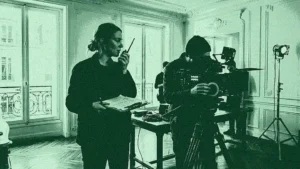
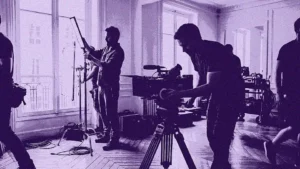
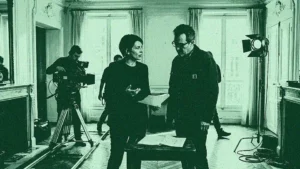
On a shoot, departments hold high-value gear that rotates across scenes and locations: camera bodies and lenses, lighting on C-stands, sound bags, grip and rigging. Kits bundled by department speed reservations, while field check-outs by QR or RFID keep accountability intact on a moving set. When equipment also has to travel between locations, its logistics feed directly into a production’s production management and into its carbon footprint, since transport of cases and trucks is a measurable emissions source.
Live events and festivals
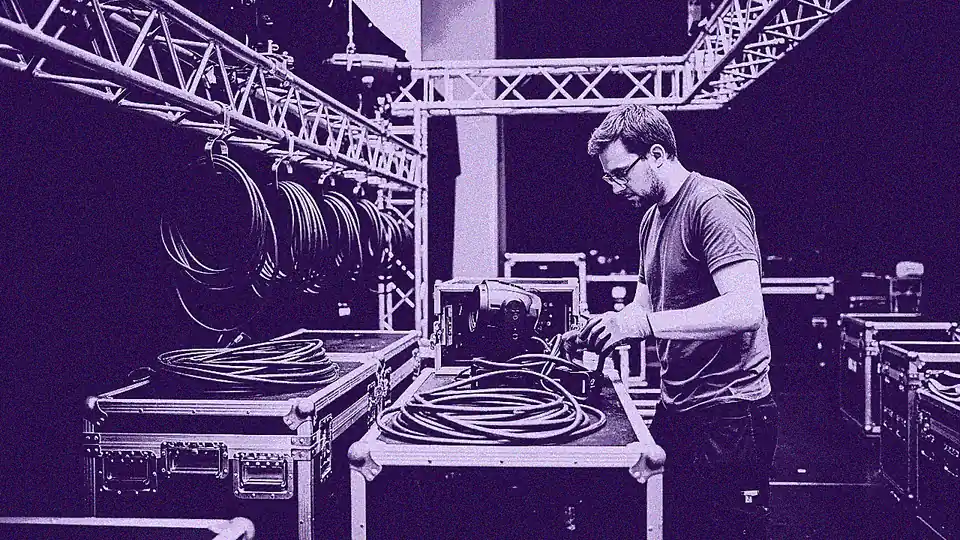
For festivals and corporate events, gear is mobilised over very short windows, often a single day for setup and operation. Truss, fixtures, consoles and cabling arrive, deploy and strike under intense time pressure, frequently across multiple stages at once. A shared, real-time inventory prevents the classic festival failure: two stages reserving the same fixtures, discovered only on site. Connecting that inventory to team scheduling is what keeps a multi-stage operation coherent.
Going further with TheGreenshot
Equipment never moves without a crew and a schedule behind it, and that is exactly where most AV and event operations lose time and assets. Ooviiz centralises the planning and coordination of teams and technical resources for the audiovisual, events and entertainment industries, replacing scattered spreadsheets and informal messages with a single dedicated platform. With a centralised talent base, real-time scheduling, a built-in team communication app and contract e-signatures, it connects the people, the timeline and the resources a production relies on. For a company that wants its gear, its crews and its jobs to live in one coherent view rather than across disconnected tools, seeing how a purpose-built coordination platform fits the existing workflow is a practical next step.
FAQ
What is equipment management software?
What features matter most for AV and event equipment?
How does equipment management software save money?
How do I choose the right platform?
Is equipment management software different from crew scheduling?
Our carbon experts help production studios frame strategy, train teams and track results, tailored to operational constraints.