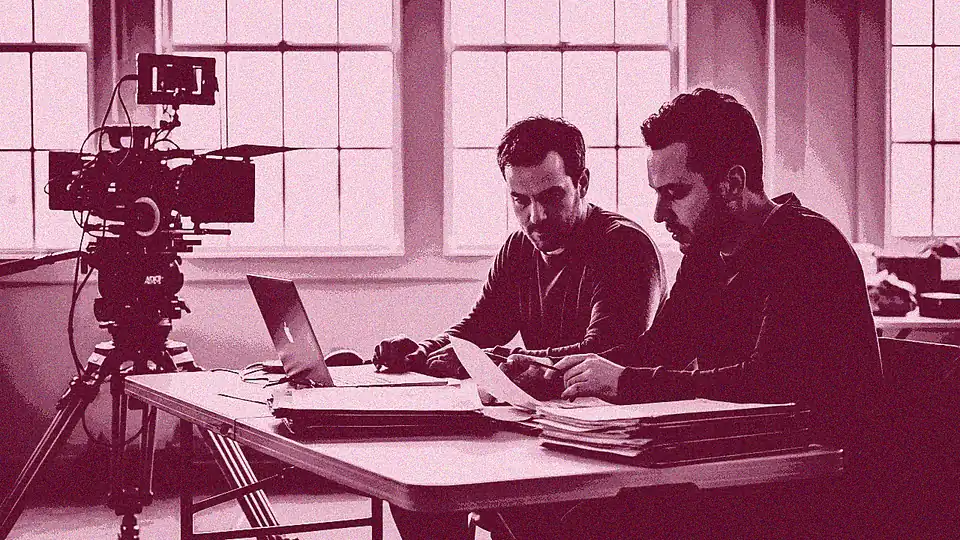
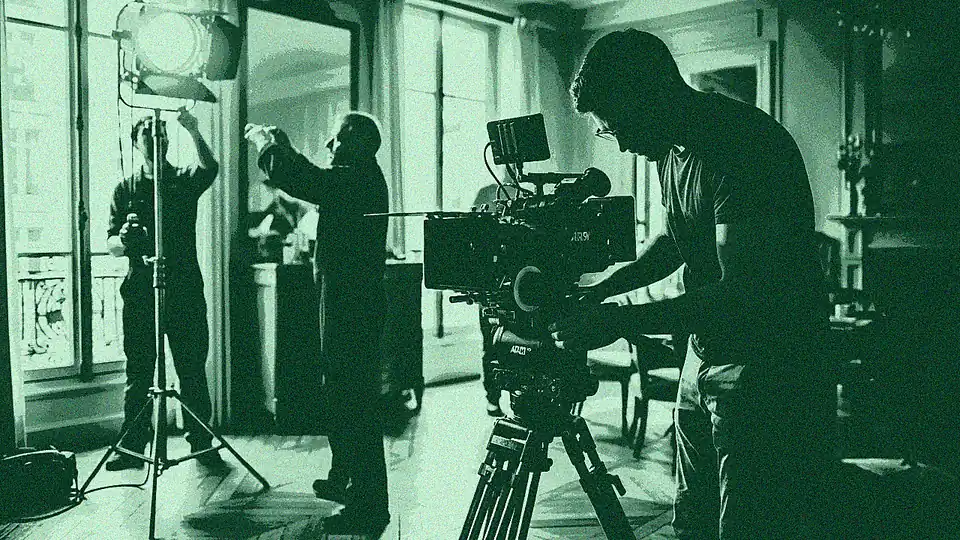
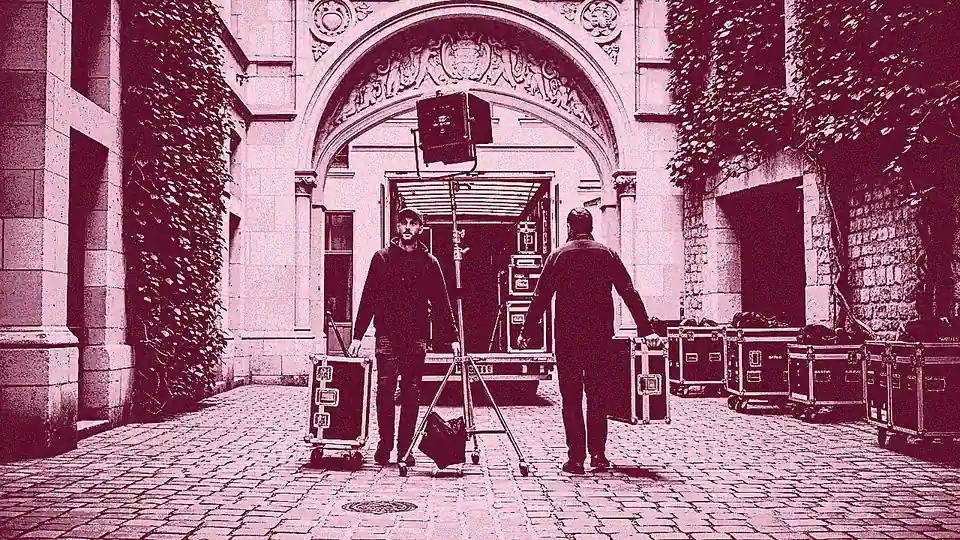
Budgets, schedules, crew, locations and daily paperwork all have to move in step, and film production management software is what keeps those threads coordinated.
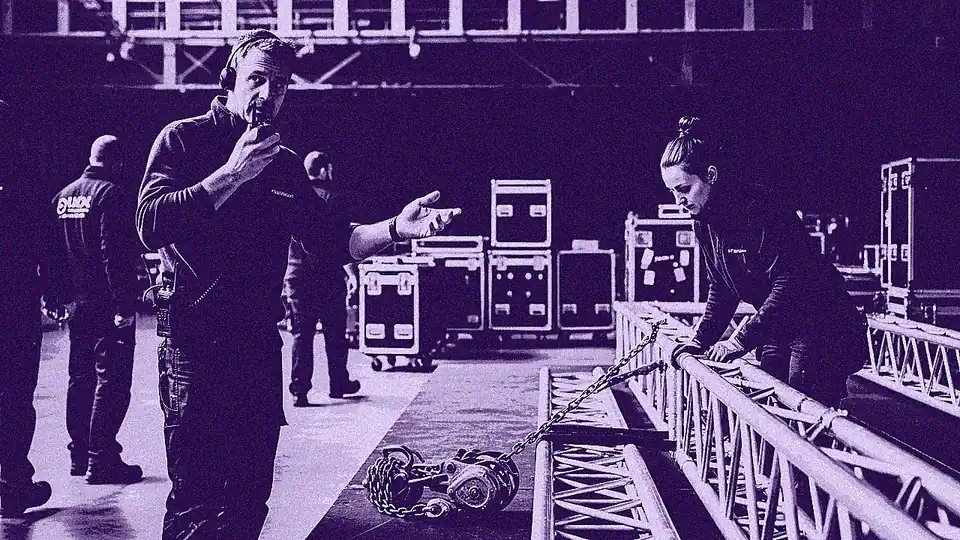
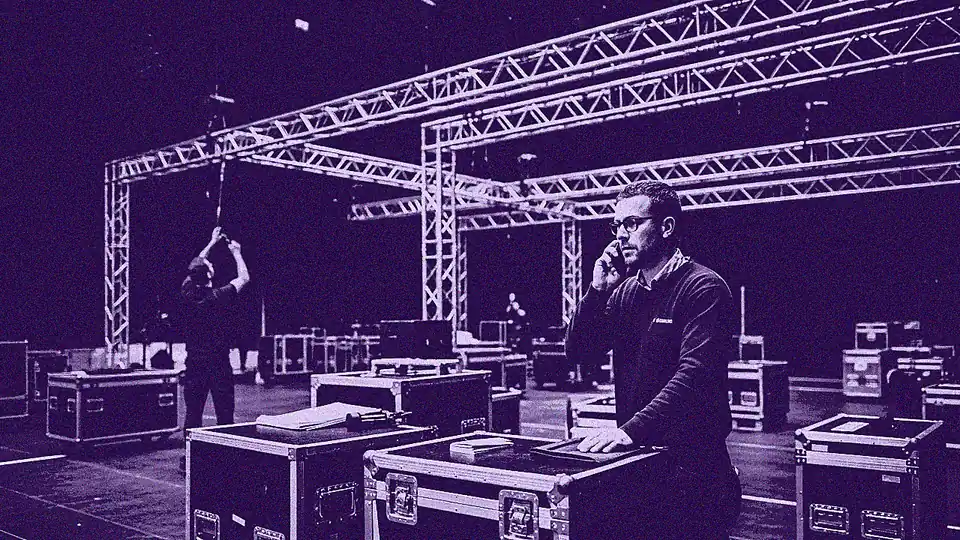
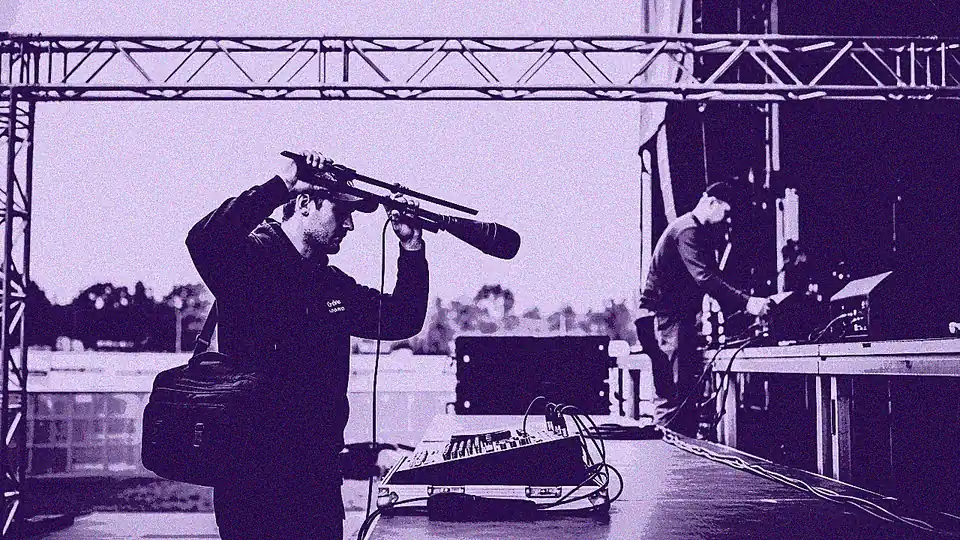
A single missed load-in slot can cascade into overtime and a delayed doors time, which is why production scheduling software has become central to live events.
The push toward a net zero entertainment industry has shifted from aspiration to structured commitment, backed by a measured baseline and shared targets.
Sustainable concert production has moved from a nice-to-have to a measurable priority for the live music sector, and the data shows exactly where to act.
The carbon footprint of advertising production is large, concentrated and, crucially, highly reducible, dominated by the travel that powers commercial shoots.
ISO 20121 is the international standard for sustainable events, the reference framework for proving an event was managed responsibly rather than simply marketed as green.
Carbon accounting in the creative industries has moved from a voluntary gesture to an operational discipline shaping how films, broadcasts and events are produced.
Attendees increasingly choose which events to attend based on environmental performance, turning sustainability into a genuine competitive differentiator.